
Rewriting Tenerife
Sun, sand, sea, roads ... mountains, volcanos, history, astronomy

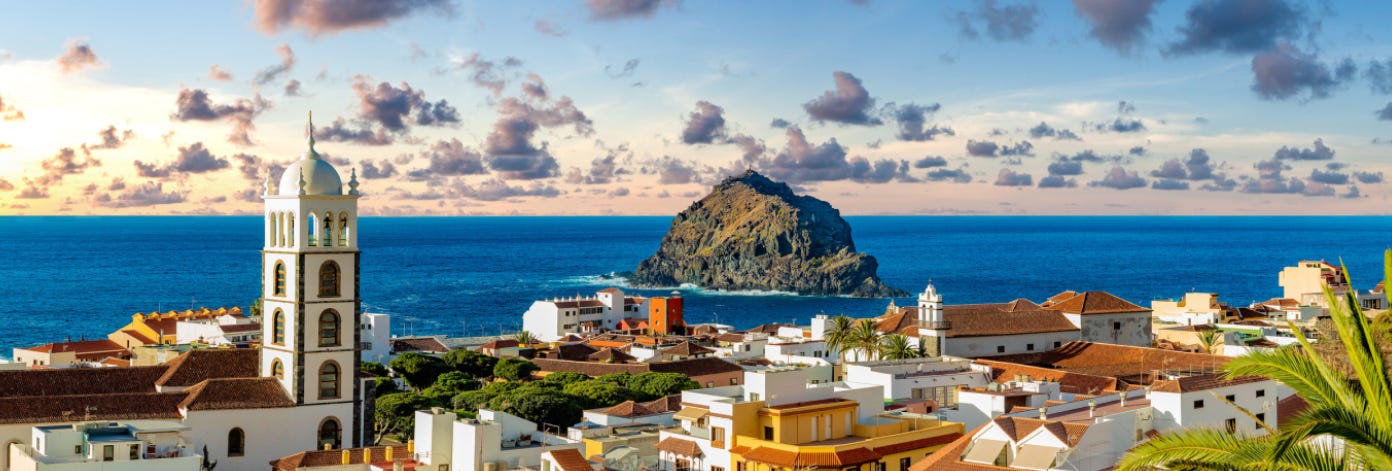
On 25 July 1797, Admiral Horatio Nelson launched an attack on Santa Cruz de Tenerife. It was that counterattack that necessitated the amputation of his right arm.
These days, Britain “attacks” Tenerife with its holiday-going, cycling-obsessed, beer-drinkers like me.
I have always thought that the Canary Islands possess much more dynamism than that which meets the eye. They almost certainly suffer from “tourism Dutch disease” – tourism crowds out other sectors.
The Island may have received between 6.3 and 7m tourists in 2024, with that sector contributing to around 35% of GDP.
However, if it were stripped away, there is a wide range of economic, business, and related activity both established and with potential. Teide mountain hosts well-known research and astronomy outfits, bolstered by strong links with the UK and Northern Europe more broadly.
Different parts of the island have wildly different climates and microclimates.
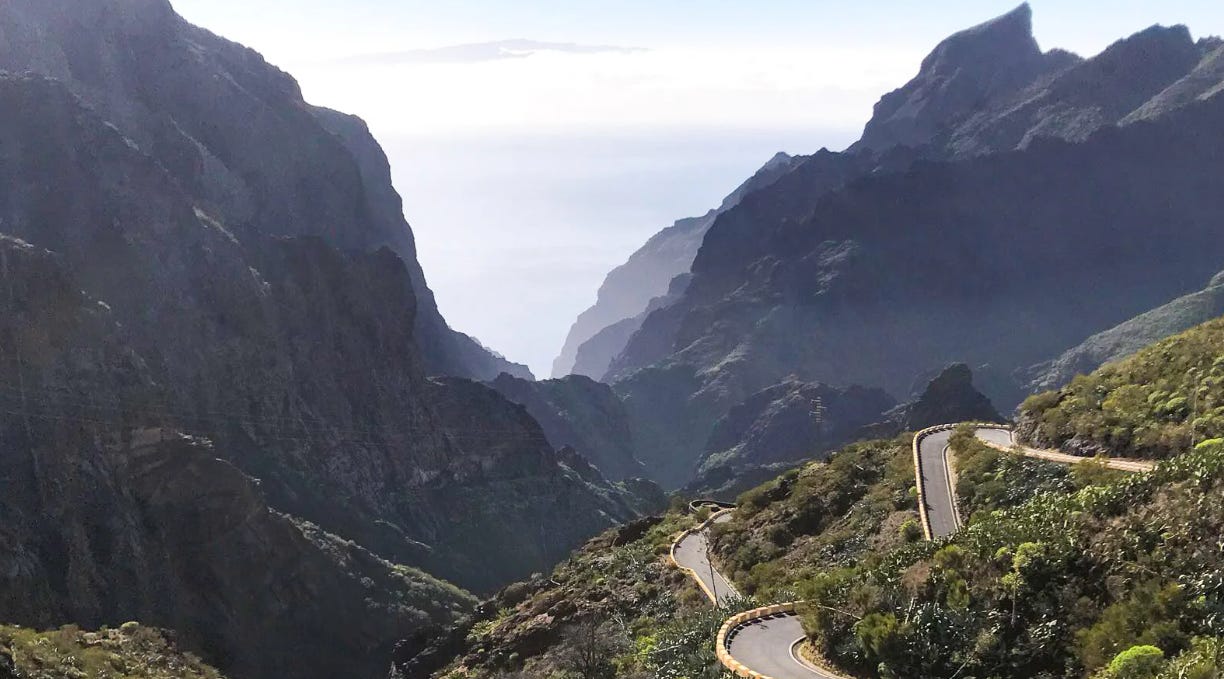
The Canary Islands have put European Union convergence funding to good use on resurfacing roads and, in many cases, building entirely new roads. Professional cycling and endurance sports teams live and train on the island, utilising those roads as well as its varied terrain and jarring peaks.
Whilst it does exist, more could be done on historical tourism, showcasing sites and artefacts of the Berber-Guanche peoples.
The Spanish conquests of the islands is most interesting, including Alonso Fernández de Lugo’s defeat at the First Battle of Acentejo in 1494. It took the Spaniards decades to subdue the indigenous population on the islands.
Other lesser-known history includes Nelson’s botched invasion of the island and the Pyramids of Güímar.
Spanish energy majors have long proposed a gargantuan offshore wind farm, far offshore from the gusty archipelago. No doubt such a pathfinder project would be highly productive.
Most fascinating are the twists and turns of these stunning islands.
The Teide astronomy connection is pretty wild, I had no idea the Canaries had that kind of research infrastructure. Makes sense though with those altitudes and clear skies. Kind of curious if those professional cycling teams ever coordinate with the observatory folks, both groups basically chasing optimal atmospheric conditions in their own weird way.